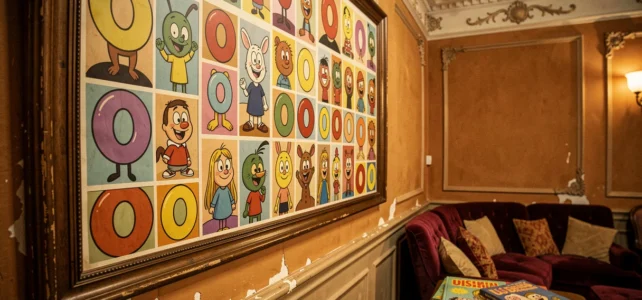
Cartoon characters whose names begin with O cover a wide spectrum, from classic Franco-Belgian works to Disney productions and Japanese animated series. This ranking highlights ten notable figures, selected based on their cultural impact, narrative role, and recognition among French-speaking audiences.
1. Obélix (Asterix and Obelix)
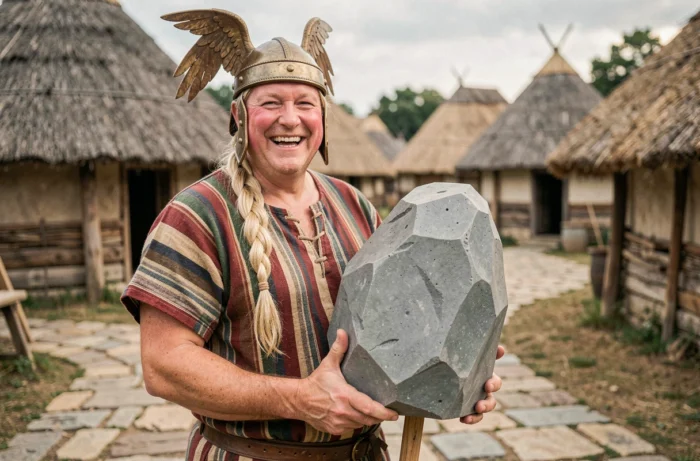
Obélix is the most famous menhir delivery man in French comics and animation. Having fallen into the magic potion cauldron as a child, he possesses permanent superhuman strength, which sets him apart from all the other Gauls in the village.
His gargantuan appetite for wild boars and his sensitivity when called fat are two recurring comedic elements. Created by René Goscinny and Albert Uderzo, Obélix has appeared in dozens of animated films and feature films since the 1960s.
Beyond the humor, Obélix embodies unwavering loyalty to his friend Asterix. This complementary duo (cunning versus brute strength) remains one of the most recognizable pairs in European animation, and this list of characters starting with O to discover confirms this abundantly.
2. Olaf (Frozen)

Olaf is a snowman brought to life by Elsa’s magic in the 2013 Disney film. His uniqueness lies in a simple narrative paradox: he dreams of experiencing summer, unaware that the heat would make him melt.
This contrast between innocence and danger gives the character a comedic relief role, as well as an emotional catalyst. Olaf delivers some of the most quoted lines from the film, and his popularity has generated a considerable amount of merchandise.
3. Oggy (Oggy and the Cockroaches)
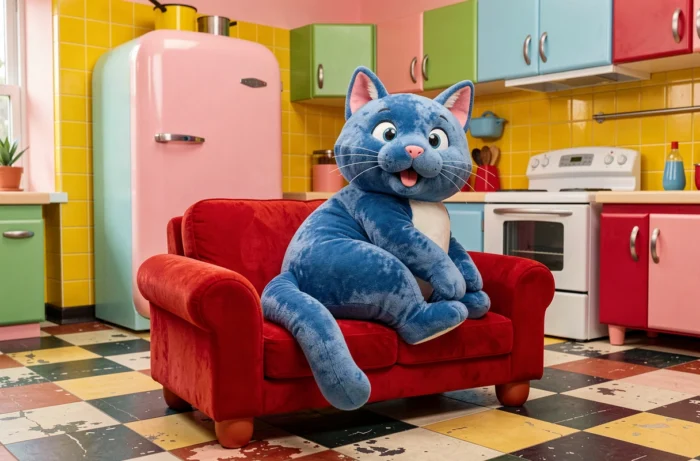
Oggy is a big blue cat, the protagonist of the French series that has been airing since the late 1990s. The show relies almost entirely on silent slapstick, much like Tom and Jerry. Oggy tries to live peacefully at home, but three cockroaches (Joey, Dee Dee, and Marky) sabotage his every day.
The character thrives on physical comedy without dialogue, which has allowed him to be exported to many countries without complex dubbing. Oggy remains one of the few heroes of French animation to have achieved sustainable international broadcasting.
4. Misty (Pokémon)
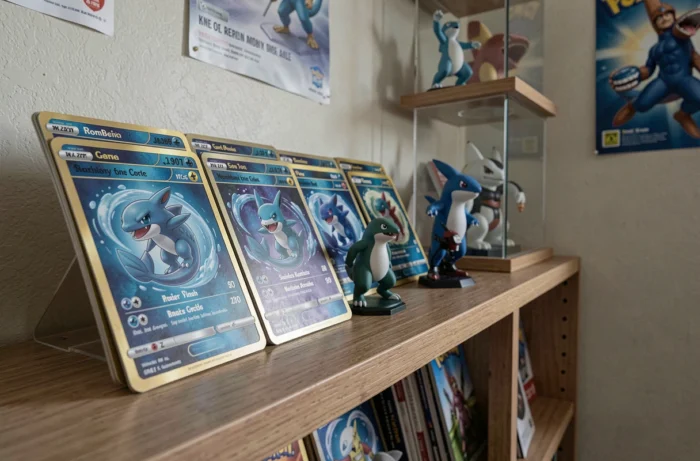
Misty (Ondine in the French version) is Ash’s first traveling companion in the Pokémon animated series. Specializing in water-type Pokémon, she runs the Azuria gym alongside her sisters.
Her strong personality contrasts with Ash’s naivety, creating a group dynamic that defined the early seasons of the anime. Misty is among the most popular female characters in the Pokémon franchise, and her occasional returns in recent episodes attest to this popularity.
5. Noddy (Noddy in Toyland)
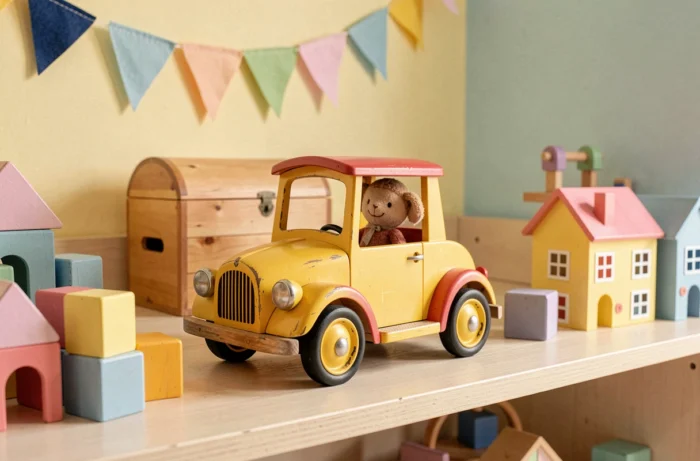
Noddy is a small wooden puppet originally created by British author Enid Blyton. Adapted into an animated series several times, he drives his yellow car in Toyland and experiences simple adventures designed for very young children.
Noddy has been an introductory character to storytelling for several generations of French speakers. His colorful universe and plots without real danger make him a staple of preschool animation.
6. Optimus Prime (Transformers)

Optimus Prime is the leader of the Autobots in the Transformers franchise, which debuted in animated form in the mid-1980s. A robot capable of transforming into a truck, he embodies a rigid moral leadership, ready to sacrifice himself to protect humans and his allies.
The character has traversed decades through several animated series, each reinterpreting his design and personality. His deep voice and speeches about freedom have become identity markers of the franchise.
7. Oswald the Lucky Rabbit (Disney)
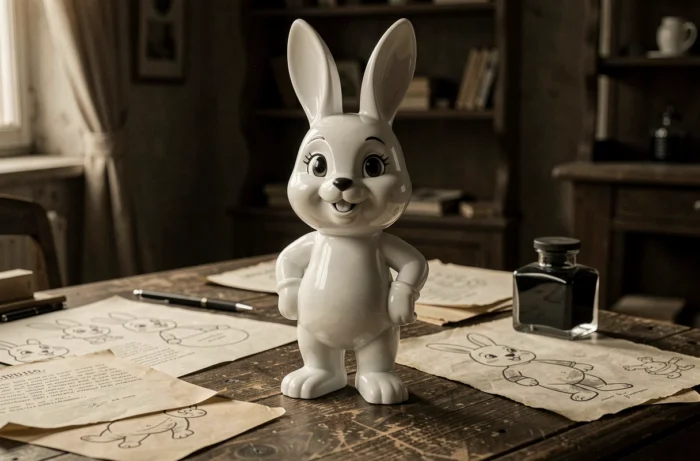
Oswald the Lucky Rabbit predates Mickey Mouse in the history of the Disney studio. Created in 1927 by Walt Disney and Ub Iwerks, this black and white rabbit was the very first recurring character of the studio before Disney lost the contractual rights to him.
Recovered by the Walt Disney Company in 2006, Oswald is the subject of nostalgia campaigns and collector’s products. His place in this ranking is less about his public notoriety and more about his historical significance for Western animation.
8. Oliver (Oliver & Company)
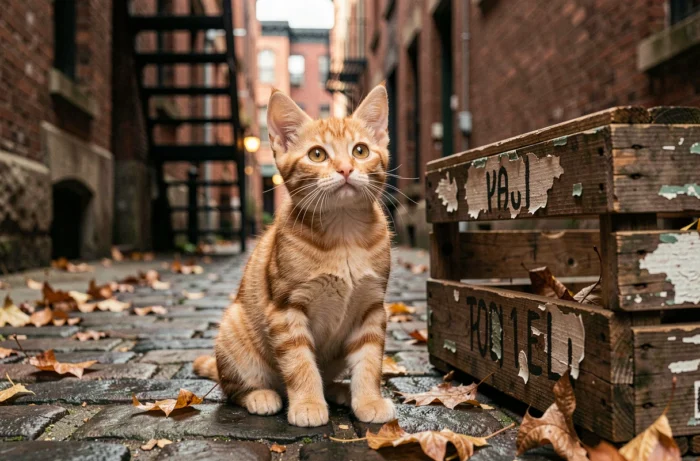
Oliver is an orphaned kitten, the hero of the 1988 Disney film loosely inspired by Oliver Twist by Charles Dickens. Lost in the streets of New York, he joins a gang of dogs led by the crafty Dodger and eventually finds a home.
The film blends traditional animation with a contemporary urban vibe, featuring a pop soundtrack that distinguishes it from other Disney productions of the same era. Oliver remains an endearing character, even though the film is often overshadowed by the successes that followed.
9. Thomas O’Malley (The Aristocats)
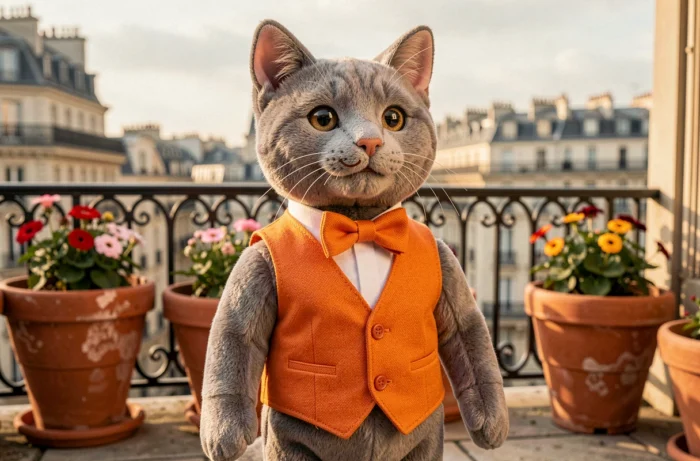
Thomas O’Malley is the big-hearted alley cat in The Aristocats, released in 1970. Free-spirited and resourceful, he helps Duchess and her kittens find their Parisian home after being abandoned in the countryside.
O’Malley brings musical energy and a bohemian charm to the film, contrasting with Duchess’s aristocratic elegance. Their duo illustrates a classic narrative scheme (the rogue with a tender heart), but the Parisian setting and jazz give the character a unique flavor in the Disney catalog.
10. Oscar (Sesame Street)
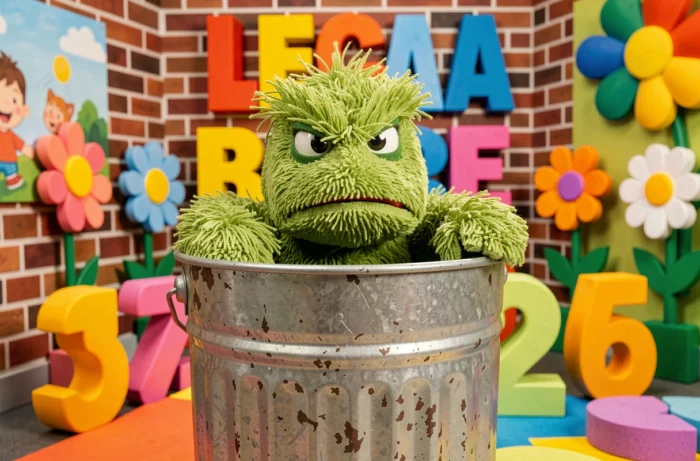
Oscar the Grouch, known in France as Oscar, lives in a green trash can and embraces his grumpiness as a way of life. Present since the very first episode of Sesame Street in 1969, he is one of the oldest characters in the series.
His educational role is to show children that frustration and anger are normal emotions. Oscar teaches young viewers to accept differences in temperament, a message that remains relevant in today’s educational programming.
These ten characters span several decades and styles of animation, from the silent slapstick of Oggy to the educational narrative of Oscar. Their only commonality, beyond the initial, is that they have left a lasting mark on the memories of French-speaking viewers, each in a distinct register.