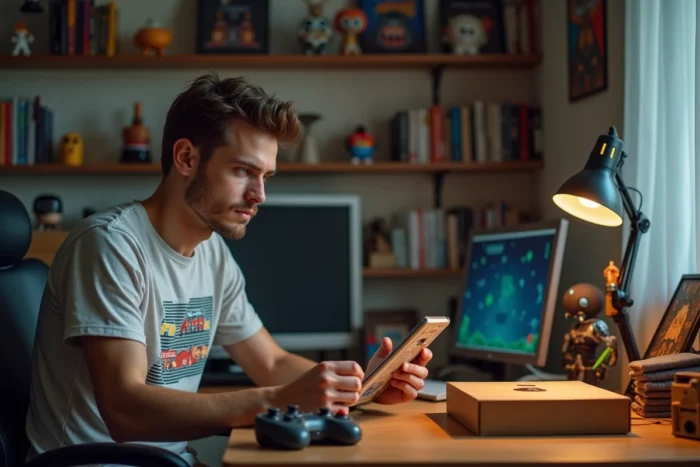
The pop culture universe, video games, and geek culture are undergoing rapid transformations. With the return of physical spaces dedicated to gamers, the rise of portable consoles, and the reconfiguration of the landscape of series and cinema, current trends are reshaping cultural consumption habits. Several weak signals, often absent from traditional media radars, deserve attention.
Gaming cafés and hybrid spaces: the return of physical gaming
Research data compiled by Rising Trends shows a three-digit increase in queries related to gaming cafés over the past year. This phenomenon is not limited to Asia, where these spaces have existed for a long time. In Europe and North America, new hybrid venues combine video games, board games, trading card games, and dining.
What stands out is the social nature of this trend. While online gaming has dominated for a decade, part of the audience is once again seeking direct contact, group sessions, and a collective atmosphere. Gaming cafés function as cultural third places where communities that would not have met online intersect.
Geek culture enthusiasts who want to follow these developments can discover the Strat et Geek website, which regularly covers news about games and pop culture from a community perspective.
The open question remains that of the economic model. These spaces combine high fixed costs (equipment, licenses, rent) with low margins on food and beverages. On-the-ground feedback varies on this point: some managers report quick profitability thanks to events (tournaments, themed nights), while others struggle to break even.
Portable consoles and mobile gaming PCs: Steam Deck OLED and its rivals
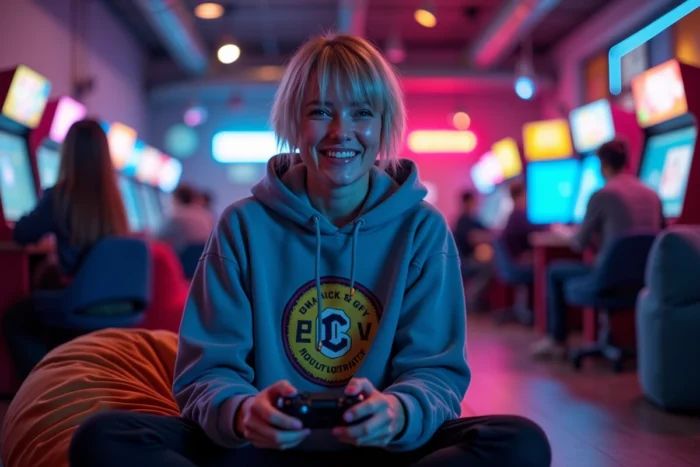
The other structuring trend in geek culture right now concerns portable gaming PCs and hybrid consoles. Trend data shows spectacular search multipliers for “Steam Deck OLED” and “Handheld PC gaming” over five years, with respective growth factors of x37 and x99 according to Rising Trends.
These figures reflect a shift in usage. Gaming is no longer practiced solely in front of a fixed screen or on mobile. An intermediate category has emerged: machines powerful enough to run PC titles but designed for mobility.
What this changes for geek culture in everyday life
Mobile gaming directly fuels attendance at gaming cafés and informal LANs. It also brings back a physical and social dimension to PC gaming, which has long been confined to the office.
- Local multiplayer sessions become possible again without heavy infrastructure, with each player bringing their own machine.
- Content creators are leveraging the portable format for outdoor streams or “on-the-ground” reviews that refresh the codes of gaming on YouTube.
- Dedicated accessories (docks, cases, external screens) form a rapidly expanding commercial ecosystem, comparable to what smartphones experienced in their early days.
The available data does not yet allow for precise measurement of the market share of handheld PCs compared to traditional consoles. However, the search dynamics suggest a lasting change in habits, not just a passing trend.
Series, cinema, and pop culture: what platforms are redistributing
On the screen side, streaming platforms continue to capture attention. Adaptations of geek licenses (video games, comics, mangas) are taking up an increasing space in the catalogs of Netflix, Amazon Prime Video, and Apple TV+.
The phenomenon goes beyond simple adaptation. Geek franchises now dictate the editorial calendar of platforms. A season of a series based on a video game or manga generates a spike in engagement that impacts merchandise sales, online communities, and physical events (conventions, premieres).
Podcasts and video: the layer of analysis that was missing
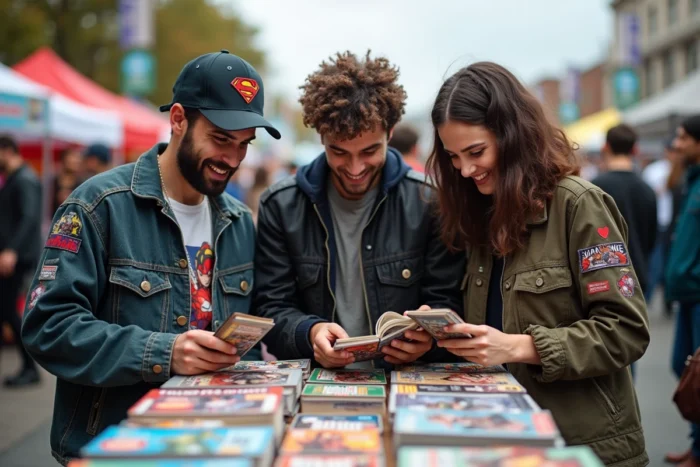
The coverage of pop culture news has also evolved. Specialized podcasts and weekly video shows on YouTube have multiplied. This long format allows for debates and analyses that short articles cannot offer.
- Podcast episodes dedicated to a single topic (a game release, a controversy around a series) build loyal audiences of highly engaged niche listeners.
- Formats like “geek week” or “gaming Wednesdays” structure news consumption as print magazines once did with their regular publication.
- The boundary between professional critique and community opinion is blurring, with independent creators weighing as much as established editorial teams on purchasing decisions.
This shift raises questions about the reliability of sources. A sponsored opinion on YouTube does not adhere to the same constraints as a review published by an independent editorial team. The most discerning viewers know this, but the majority of the public does not always distinguish between editorial content and promotional content.
Geek culture and tech: when AI redefines the rules of the game
Generative artificial intelligence has burst onto the scene in geek content production. Image generation for role-playing games, creation assistants for independent game designers, automatic dubbing tools for series: applications are multiplying.
Geek communities are divided. Some players and creators see it as a creativity accelerator, especially for small teams that lack the resources of a AAA studio. Others denounce an aesthetic standardization and a risk of devaluing human artistic work.
Debates around AI in pop culture intersect with broader questions about copyright and creator compensation. No harmonized regulation exists at this stage at the European level to frame the use of protected works in training generative models.
The geek pop culture of 2026 is characterized by this tension between the return to physical (gaming cafés, portable consoles, conventions) and the digital acceleration driven by AI and streaming platforms. The most sustainable trends are those that combine both, creating bridges between online communities and in-person experiences.