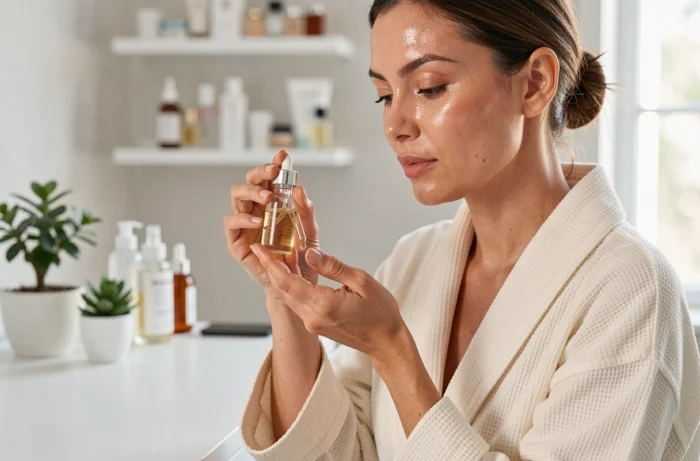
The European regulation on retinol, skin barrier damage related to viral routines, and the rise of biomimetic actives are reshaping facial care this fall. We take stock of the beauty and skincare trends that truly matter for achieving radiant skin, cutting through the marketing noise.
Retinol and Vitamin A: What the Regulation (EU) 2024/996 Changes
The regulation (EU) 2024/996 has set a cap of 0.3% retinol equivalent for leave-on products applied to the face (serums, creams). For body lotions, the limit drops to 0.05%, with a requirement to include a warning on the packaging.
This framework directly constrains the formulation of anti-aging products. Brands that offered high concentrations of retinyl palmitate or retinyl acetate must reformulate. For consumers, this means that products sold in the EU now comply with a threshold validated by health authorities.
We recommend checking the INCI list of your retinol products purchased outside the EU, especially through platforms like kosmetic.fr that list products compliant with European standards. A serum dosed beyond this limit is not necessarily more effective; it is simply more irritating for most skin types.
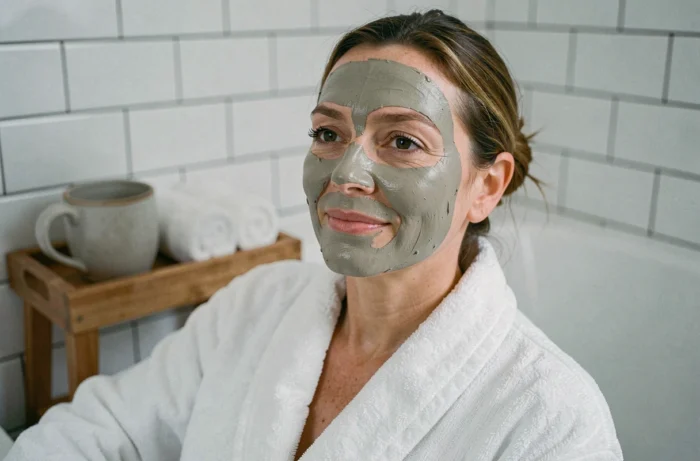
Alternatives to Retinol: Bakuchiol and Encapsulated Peptides
Bakuchiol remains the most documented plant-based alternative. Its appeal lies in its tolerance profile: no photosensitization, compatible with reactive skin, usable during pregnancy.
Encapsulated peptides are gaining ground in professional formulations. Their gradual release limits the peak irritation caused by free actives applied directly. This controlled delivery mechanism, borrowed from pharmacology, represents a concrete advancement for anti-aging facial care.
Skin Barrier and “Glass Skin” Trend: Documented Damage
A study published in August 2026 in Dermatology Times establishes a direct link between TikTok-driven cosmetic consumption and a increase in skin barrier damage. Users who follow influencers rather than dermatologists show a delay in medical consultation and a worsening of acne severity.
The “glass skin” trend perfectly illustrates this paradox. To achieve this showcase effect, routines stack acid exfoliants, concentrated vitamin C serums, and occlusive masks. The short-term result is appealing, but the lipid barrier gradually thins.
Ectoine and Ceramides: Rebuild Rather Than Strip
The formulation response involves actives that strengthen the barrier instead of stressing it. Ectoine, a natural osmolyte, stabilizes cell membranes against environmental stress (UV, pollution, thermal variations). Biomimetic synthetic ceramides complement this approach by restoring intercellular cement.
Prioritize a repairing serum before adding an exfoliating active: this is the reversal of logic we observe in the most coherent care protocols this year. The order of introducing actives in a routine matters as much as their selection.
Minimalist Skincare: Building an Effective Routine with Fewer Products
Skinimalism is not a renunciation of effective actives. It is a formulation approach that concentrates multiple functions into a single product. A serum that combines niacinamide, hyaluronic acid, and peptides replaces three separate bottles without loss of efficacy.
The criteria for a truly functional minimalist skincare routine:
- A gentle cleanser with a physiological pH (between 4.5 and 5.5), free from harsh sulfates, used morning and night
- A multifunctional serum targeting the primary need of the skin (radiance, hydration, or firmness), with verified compatibility of actives
- A moisturizer containing emollients and occlusives to seal in hydration, paired with a minimum SPF 30 sunscreen in the morning
Three well-chosen products outperform eight illogically layered products. The risk of unreasonable layering is the interaction between incompatible actives: retinol and exfoliating acids on the same night, unstable vitamin C mixed with niacinamide at an unsuitable pH.
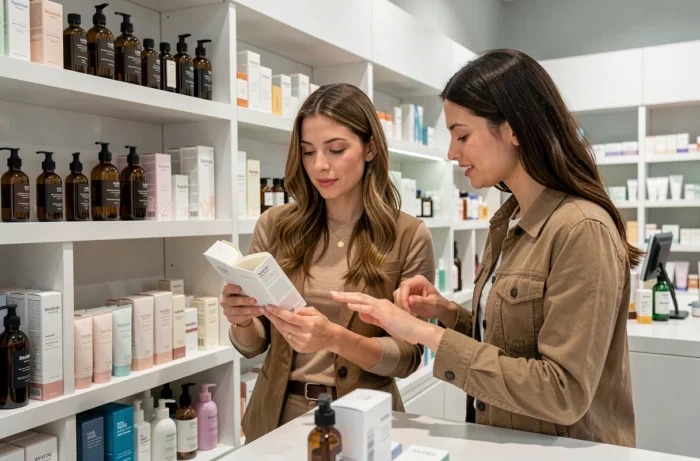
Adapting Your Routine According to Age and Season
Skin at 25 does not react like skin at 45. Before 30, the focus is on prevention (antioxidants, rigorous sun protection). After 40, cell renewal actives and firming treatments take over.
In autumn, the shift to richer textures is justified by the drop in ambient humidity. A weekly hydrating mask compensates for the dehydration caused by indoor heating starting in October.
Fermented Actives and Biotechnology: The Next Wave in Facial Care
Fermentation filtrates (yeast, rice, soy) concentrate amino acids, B vitamins, and antioxidants in a highly bioavailable form. K-Beauty popularized these ingredients, but European laboratories are now integrating them into formulations suited to Western skin, which is often more reactive to very fluid textures.
Biotechnology also allows for the production of actives identical to those of natural origin (squalane, hyaluronic acid) without plant or animal extraction. This process reduces variability between batches and ensures consistent purity.
- Bifidus lysates strengthen the skin microbiome and reduce sensitivity to external aggressions
- Galactomyces extracts improve skin radiance by accelerating the renewal of superficial cells
- Topical post-biotics (metabolites from fermentation) act on inflammation without disturbing the resident flora
Fermented actives offer a superior tolerance profile compared to classic chemical exfoliants. For skin sensitized by overly aggressive routines, they represent a pathway for gradual reconstruction of skin tone and texture.
The beauty trends that matter this year converge on the same principle: respect the physiology of the skin rather than forcing it. The European regulation on vitamin A, clinical data on damage related to viral routines, and the rise of biomimetic formulations outline a more sober, better-documented approach to skincare that is ultimately more effective for sustainably radiant skin.